


Everyone has their routine (or lack of one) for how often they flip their mattress and change their bedsheets. Maybe your sister changes her sheets every Sunday, but you tend to do it more like once every couple of weeks or even once a month.
Either way, there is no one right answer for how often we should be changing our sheets because everyone has different needs and lifestyles that determine how often their linens need a wash.
If you tend to let your sheets go awhile between washes, you aren't necessarily dirty, but you are at the lower end of the general cleanliness standard (which is enforced by nobody in particular).
If you're feeling like you need a guide for sheet-washing, however, here are a few factors to consider when deciding how often you should wash your sheets.
The Short Answer
Bedding Type | Wash Weekly | Wash Monthly | Wash Every 3 Months |
Pillowcase | X | ||
Sheets | X | ||
Duvet Covers | X | ||
Duvet Comforters | X | ||
Pillows | X | ||
Blankets | X |
The first factor to consider is how often you're sweating in your bed. If you're someone who overheats at night, the sweat will absorb into the fabric and eventually smell a little less than fresh.
Since sheeting (the fabric your sheets are made of) tends to be made from highly absorbent fibers like cotton, the sweat will sink in quickly. In this case, the experts say your sister is right — for your health, it's best to strip your bed and haul your sheets to the laundry room weekly.If you don't sweat much, then you can probably get away with changing your sheets every other week or even once a month.
Another factor to consider is how many people are using your bed. Two people produce twice as much sweat and skin cells as one person, so increase your washing schedule if you share your sleeping space. If you or your sleep partner sleep naked, the need to keep your sheets clean is even more crucial.
Other factors are environmental and unique to your home. Consider the following factors:
- Do you have a humidifier in your bedroom? If so, it could be making your sheets damp and more prone to bacteria buildup.
- Do you have a fan running? It might be blowing dust mites all over your sheets, increasing their need to be washed.
- Maybe you have a dog or cat who likes to nap for a few hours every day in places where they can pick up your scent? All that pet dander makes your sheets dirtier, so wash them once a week.
How Often Should You Wash Your Sheets?
Once a week. Yes, you read that correctly. The experts agree that washing your sheets weekly is essential to maintain ideal sanitation and freshness.Really? Clean the sheets weekly?
You may be thinking to yourself, “Well, I've only been washing my sheets every other week my whole life, and nothing bad has happened yet.” Well, you and your dirty sheets are not alone.
In a 2015 poll by Women's Health Magazine, opens in new window only 44 percent of the women surveyed said they wash their sheets routinely once a week, while 31 percent said they wash them every other week and 16 percent said they do so only once a month.
If your answer is something like every three months... well, you've got some work to do. Change those sheets as soon as possible and have sweeter dreams.
“Given that you spend hours every night in bed, your sheets collect skin flakes and an assortment of body oils and fluids,” say experts opens in new window like Martha Stewart and the team at the Good Housekeeping Institute. “Then there's dust, dust mites, and (if you have a cat or dog) pet hair. You should wash your sheets regularly to get rid of that buildup.”
“Bedsheets can rack up a serious collection of sweat, body oils, saliva (if you drool), dirt from outside, sexual fluids, and even urine and fecal matter,” says laundry expert opens in new window Mary Marlowe Leverette.
The consequences of not washing your sheets often enough go beyond your sheets not smelling quite as fresh—you could even get an infection. According to studies published by the Scandinavian Journal of Infectious Diseases and the American Journal of Epidemiology, the bodily fluids and dead skin cells we leave behind on our sheets can cause a buildup of fungus, yeast, and other microorganisms.
These types of fungi are often found in moist, warm environments like your bed (particularly if you're sleeping with pets). If you share your bed with others, it's even more important to wash those sheets regularly, as bacteria and infections can be passed between people.
In turn, this can also end up ruining your pillow and mattress. Another factor is that athlete's foot and other fungi can be transferred from fabrics. When you don't wash your bedding often enough, infectious fluids can seep through your sheets and into your mattress, which is way more difficult to clean than sheets or a blanket.
So, how often should you wash your sheets? Once a week for most of us. Experts also agree on one other matter–how you wash your bed sheets is almost as important as how often.
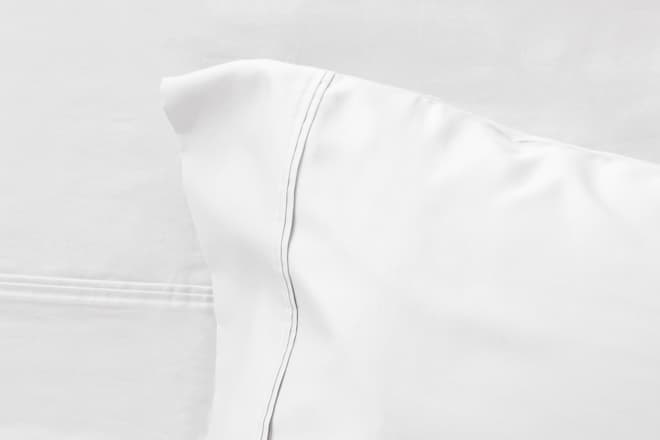
How To Wash Sheets
In addition to having a great mattress, sleeping on top-quality bed sheets can have a big impact on the quality of your rest. So, you want to make sure you take good care of your bedsheets so they can help you get a good night's sleep.
- Water temperature: Use cold or warm water for most washes. Hot water is best for disinfection and allergy control.
- Detergent: Follow the instructions for your favorite brand. Divide the amount of detergent in half for smaller loads.
- Fabric softeners: One dryer sheet is standard for a set of sheets. Liquid fabric softener should be used sparingly.
- Dryer Temperature: Use the lowest temperature possible to avoid shrinking.
- Bleach: Use color-safe bleach to brighten white sheets from time to time.
Martha Stewart recommends washing pillowcases or duvet covers inside out to prevent color fading. She also adds that if you take your linens out of the dryer just before they are fully dry, it's easier to prevent excessive wrinkling. Lay them flat or hang dry.
Laundry expert opens in new window Leigh Krietsch Boerner warns you to be careful with what you add to your washing machine. If you have sensitive skin or allergy symptoms, Boerner recommends adding ¼ cup of white vinegar to your detergent the first few times you wash a set of new sheets to help get rid of some “factory finishes” that can irritate skin and cause contact dermatitis.
What About Other Bedding?
We have determined the time to wash sheets is once a week, but what about other bedding? For comforters, quilts, and blankets, you should always read the manufacturer's washing guidelines (usually, they are printed on the little label attached, the one you've probably worn off by now). In most cases, you won't need to wash other bedding once a week.
- Unlike sheets, blankets might be made with wool, which can shrink and should be gently hand-washed and hung to dry.
- Other fibers, like cotton and acrylic, are best machine-washed on a gentle cycle with cool water and a low-sudsing detergent. Avoid bleach and fabric softener, which can damage fibers and cause skin irritation.
- If you're using a duvet or comforter, it's best to have it dry cleaned every few months (or more often if you perspire a lot while you sleep).
- Mattress pads and toppers should be washed at least every three months to eliminate any build-up of dust mites and dead skin cells.
When Should You Say Goodbye to Your Favorite Sheets?
Unfortunately, even if you follow all these expert tips and wash sheets according to the rules, they won't last forever. The average life of sheets is about two years, according to most professionals including NBC News.
Mattress Clarity, House Beautiful, and Martha Stewart all agree that the best indicator for when your sheets need replacing is visible wear and tear, as well as how the sheets feel.
“Visible signs such as thinning, yellowing, and fading are the most obvious
indicators your sheets are past their prime, but you might start to feelthe decline as well, which can disrupt your oh-so-important sleep,” says the team at House Beautiful.
Martha Stewart agrees, saying that even the highest-quality sheets will eventually break down with frequent washing. When you start to signs of aging (stains, fraying, fading), replace them.
Update and Upgrade Your Sheets
We couldn't agree with Martha more! Find yourself a set of high-quality sheets that are not only easy to take care of but will give you the most luxurious, deep rest possible.
Our Cotton Blend Sheet Set is the perfect addition to your sleep sanctuary. The combination of Rayon from bamboo and pure cotton provides an exceptionally breathable, hypoallergenic, and cool sleep environment. Plus, they’re made to fit every mattress (but are specially designed for ours). This sheet set comes with free shipping, returns, and a 30-night, risk-free trial.
Start getting your best rest with Leesa. And for more bed care tips and tricks, check out our Resource Guide.
Happy sleeping!


