


There are probably a few reasons why you want to make your mattress higher. It could be that you're having difficulty getting in and out of bed. Or your bed frame might just be lower than you prefer and you want to lift it up a bit. Maybe you don’t even need a higher bed and are looking to incline your mattress for more comfort while you’re sleeping and lounging.
Sometimes people go to extreme lengths to make their beds higher. They might buy bed risers to put under each leg of the bed frame. Or they might purchase box springs or buy a Bunkie board to raise their mattress height.
Some people even go so far as to attach screw-on casters with a locking mechanism and wheels to their bed frame. Or even perch their bed frame on cinder blocks to create the height they need. What a hassle!
But there are easier solutions than bed risers, box springs, or Bunkie boards. Or cinder blocks, screw-on caster wheels, or having to drill holes for wheels to make your bed higher. Let's look at four easy ways to raise your bed like a boss! These methods can work for a memory foam mattress, a hybrid mattress, or even the typical innerspring mattress.
Use a Mattress Topper
One of the easiest ways to make your bed higher is by buying a mattress topper. Leesa's mattress topper offers two inches of our signature memory foam, delivering plush comfort and stability. A simple mattress topper also acts as a mattress protector. So, what's not to love?
Some benefits of using mattress toppers include:
- Extra cushioning
- Enhanced warmth during the winter
- Improved circulation
- Less pain in the back or joints
- Improved sleep quality
- Reduced stress levels
- Protecting your mattress
Mattress toppers and mattress protectors are always a good idea, whether or not you're trying to make your bed higher. But if you only need to raise the height of your bed by a little bit, a mattress topper should do just the trick.
Use a Mattress Foundation
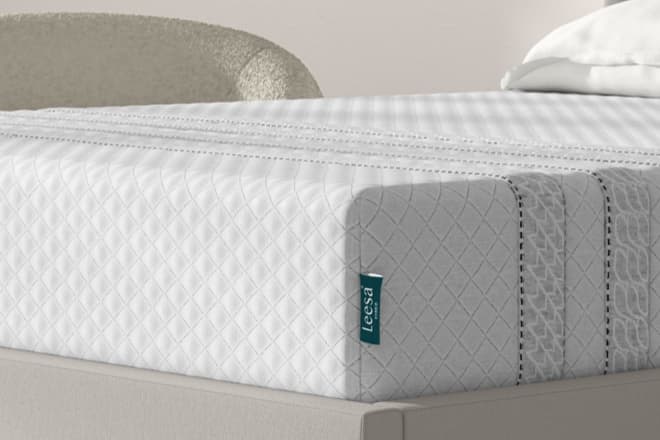
Adding a mattress foundation is another great way to increase your bed's height. Leesa's platform bed provides 15 inches of height to your bed. Place the bare mattress directly onto the foundation — and voila. A taller bed, as well as the sleek modern look of birchwood legs and gray upholstery.
Another option is to use Leesa's flat base foundation placed on top of our bed frame to make your bed higher. A full 14.5 inches off the floor. Instead, you could place box springs on top of the Leesa bed frame and your mattress on top to increase your bed height. Bear in mind that different bed bases have various carrying capacities. If you or a family member is heavy, check out carrying capacities before buying a new foundation or mattress base.
Use a Bed Wedge
Sometimes you don’t need to make your bed higher; you need it to be inclined. For example, a bed wedge might be a great option if you suffer from acid reflux. Or respiratory conditions, or enjoy the feeling of your upper body being elevated.
Bed wedges are placed on the bed frame under the mattress, propping up the head of the bed. The trouble is that using a bed wedge can cause discomfort for your sleeping partner. So, consider an adjustable bed frame instead.
Switch to an Adjustable Bed
Suppose you and your sleep partner have different sleeping positions. Leesa's adjustable bed base can accommodate two twin XL mattresses, letting one partner sleep with the bed raised while the other is entirely prone. Or you can put your existing (or new) Leesa mattress on your adjustable bed base.
In that case, adjustable bed frames are a much more elegant solution than a bed wedge. Especially for respiratory disorders such as sleep apnea, asthma or health conditions like acid reflux or GERD. Either way, you'll be able to make your bed higher at the touch of a button and without the hassle of a bed wedge. Also, when looking at adjustable beds, people often swallow hard at the cost. But an adjustable bed is an investment in your convenience, comfort, and health.
What is the Best Bed Height?
Get your measuring tape, and let's determine your best bed height. Even a few inches can make a huge difference in how you sleep and feel in the morning.
- Measure the length between your knee and the bottom of your foot.
- Subtract the height of your bed now, adding another inch for bedding.
- The result: the proper height for your bed.
Since the average person requires a bed height of about 25 inches, you can estimate how many inches to add to your bed frame. Taller beds often reduce difficulty getting in or out of bed and can be especially helpful for anyone with chronic pain.
There's a caveat to the best bed height, especially if you're a senior or a person with a physical disability. The 25-inch guideline changes because that bed height might be too tall for someone doing a single-person wheelchair transfer to a bed.
The best bed height for a frail senior, someone with spinal injuries, or someone with a physical disability is between 20 and 23 inches.
What are the Benefits of a Higher Bed Height?
Why would you want to make your bed higher? Some of the benefits of making your bed higher include the following:
- Getting into and out of bed easily, especially if you're tall
- Freeing up some extra storage space
- Aesthetics
Ease of Movement
If you're tall, a taller bed makes all the sense in the world. You want to sit comfortably on the side of the bed with your feet touching the floor. And you want to get up from the bed quickly or easily crawl into bed for a good night's sleep. Without stubbing your toe on bed risers or a caster wheel.
Storage Space
If you live in a small space or without a lot of storage, having a taller bed frees up room for under-the-bed storage. That extra space can hold boxes of seasonal clothing, tubs of gift wrap, and all things you'd ordinarily put in a closet.
Aesthetics
A taller bed may blend into the room's overall look if your bedroom has a high or vaulted ceiling. Likewise, if you like antiques, many old bed frames are built higher off the floor than modern frames.


